
How to Find Salt Lake City Residents
Begin with the fact you need to confirm. An address points to the Salt Lake County Assessor and its parcel map. A name can be narrowed in the assessor search, Utah Courts XChange, DOPL Licensee Lookup, or a historical directory. A past year sends the search toward Salt Lake County Archives, University of Utah scans, Utah Digital Newspapers, and library microfilm. Each source has a distinct role. The assessor describes a tax parcel, the Recorder preserves recorded instruments, and a directory records a person at a time and place.
Public records do not form a complete list of Salt Lake City households. A tax owner may receive mail elsewhere, a directory entry may describe a boarder, and voter status does not prove that someone still occupies an address. Use a second custodian when a match matters. Keep the search focused on family history, reconnecting, an estate question, civic research, or checking a possible scam.
- Write down the exact name, address, ZIP, time span, and question before opening a portal.
- Use the county property search or GIS map to find the parcel and its situs address.
- Move to the Recorder, court, voter, vital, license, or custody source that fits the question.
- For an older household, compare a directory, newspaper, tax card, census source, or cemetery record.
- Save the source date and ask the custodian for a copy or GRAMA record when the index stops.
Salt Lake City Resident Records Offices
Salt Lake City is the county seat, so several custodians sit within the same county records hub. The Salt Lake County Recorder handles deeds, liens, mining records, plats, and subdivision instruments. The Salt Lake County Assessor connects owner names, situs addresses, parcel numbers, values, and property traits. The County Clerk's Elections Division handles status lookups and election data. These are related paths, not one merged resident roll. For the street-by-street chain, use the Salt Lake City street directory page.
Salt Lake County Recorder / Register of Deeds
2001 South State Street, Suite N4-300
Salt Lake City, UT 84190
385-468-8145
Recorder Data Services
Salt Lake County Assessor
2001 South State Street
Salt Lake City, UT 84114-7421
385-468-8000
Assessor Property Search
Salt Lake County Elections
2001 South State Street, Suite S1-200
Salt Lake City, UT 84190
385-468-7400
Find Salt Lake City Parcels by Three Routes
The classic assessor query is unusually clear about its keys. Owner Name takes at least three letters and uses last name first, followed by a comma and first name. Frontage Number can stand alone. Street Name or Number works with direction and street type fields. Parcel searches accept the first 10 digits, with an optional final four encumbrance digits. The first seven digits can search a block. Results can be sorted and can lead to tax information, an interactive parcel map, and a printable view.
| Search key | Owner, frontage, street, direction, or parcel number |
|---|---|
| Sample format | Last, First for an owner; first seven parcel digits for a block |
| Result context | Situs address, owner, parcel, tax district, values, traits, and legal links |
| Best cross-check | Recorder instrument or GIS parcel, because tax ownership is not occupancy |
The County Assessor/GIS viewer adds parcel, tax-district, aerial, and boundary context. Salt Lake City maps add zoning, council districts, building footprints, engineering projects, and neighborhood representation. Use Utah SGID parcels as a statewide map cross-check, while the county card remains the better source for the local tax record.
The classic Assessor search screen shows the owner, frontage, street, and parcel controls used for a Salt Lake City address.
The form's separate direction and frontage choices are useful when a street name alone returns too many parcels.
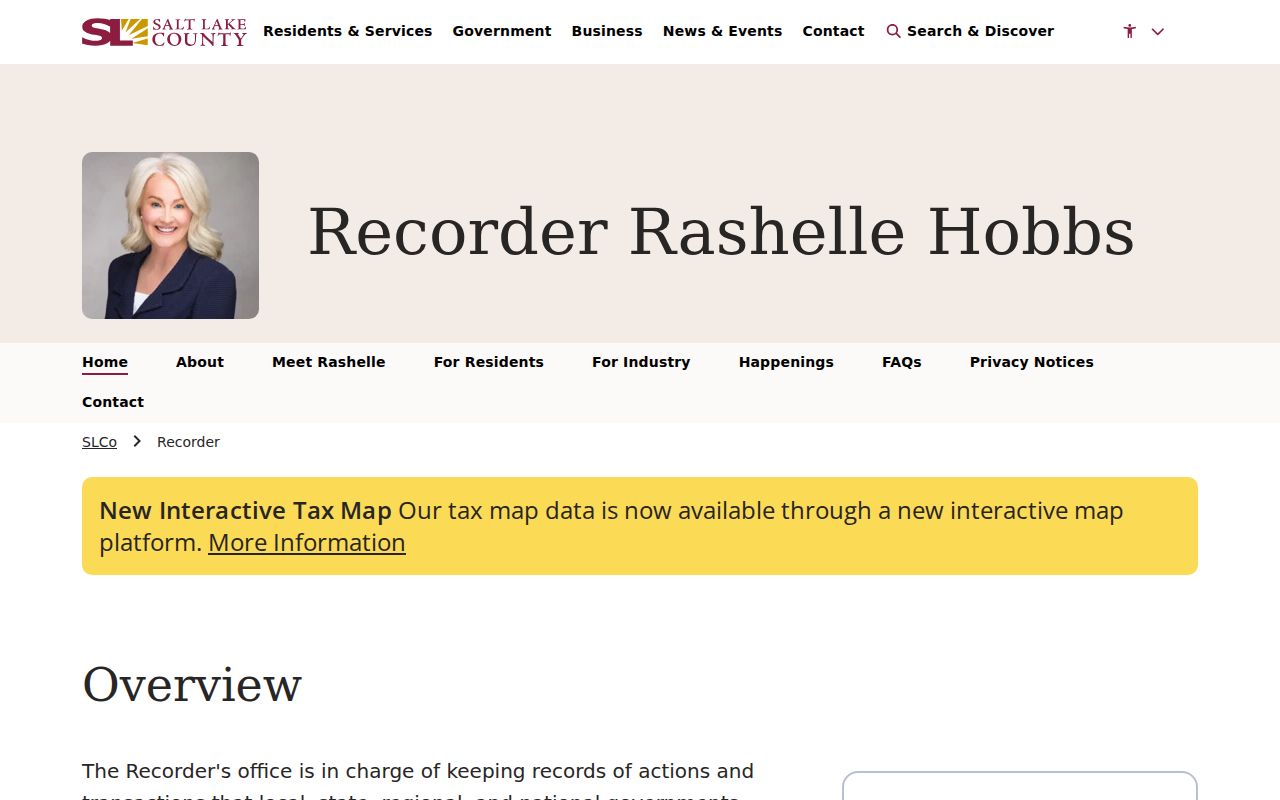
The county's Recorder office page identifies the custodian for deeds, liens, plats, and subdivision records.
A Recorder result is a recorded instrument trail, not a statement about who sleeps at a parcel.
The county's Assessor GIS route explains the map layer that connects parcel geometry with local tax context.
Use the map to orient a street, then return to the card and Recorder for the source-specific facts.
Check Salt Lake City Courts and Voter Status
For a public case question, Utah Courts XChange searches district and justice cases by jurisdiction, case number, last name or company, first name, case type, county or court, birth date when present, citation number, and date panels. A wildcard can widen a name search. Results may show the case number, filing date, party code, court, hearings, judgments, public documents, and an address when filed. XChange limits a page to 500 results, so common names need a county, court, type, or date filter. Public terminals at many courthouses and the Utah State Law Library provide another access channel.
The County Elections form is narrower. It asks for first name, last name, birthday month, day, year, and house number, then returns status, officials, and sample-ballot information. The statewide status tool is an individual lookup, not a browse list. Voter data has public and private fields, At-Risk exclusions, and purpose limits under Utah Code §20A-2-607. Do not turn a status result into a claim that a person currently lives at the address.
The Utah Courts XChange overview explains the statewide index and its public-record boundaries.
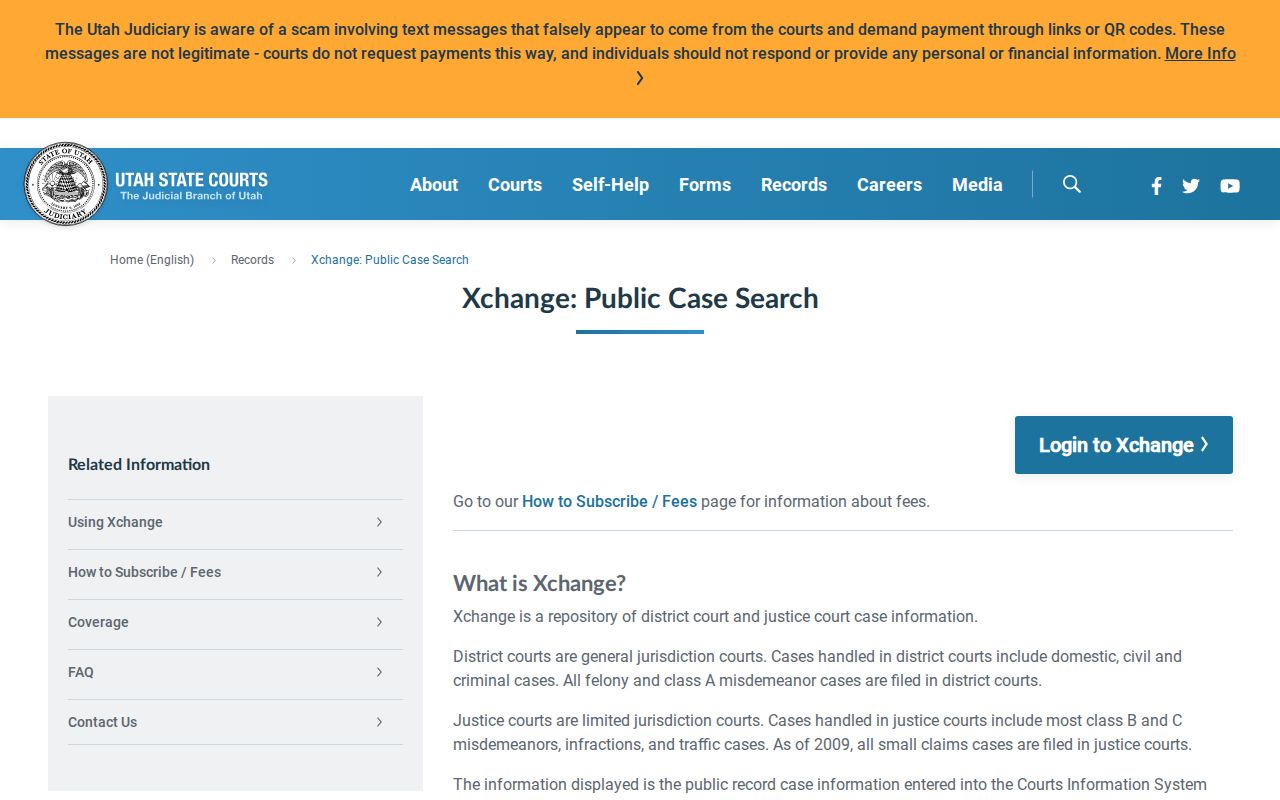
The visible search path is strongest when a name is paired with a county, court, case type, or date.
The Vote Utah registration route separates status lookup from start-or-update actions.
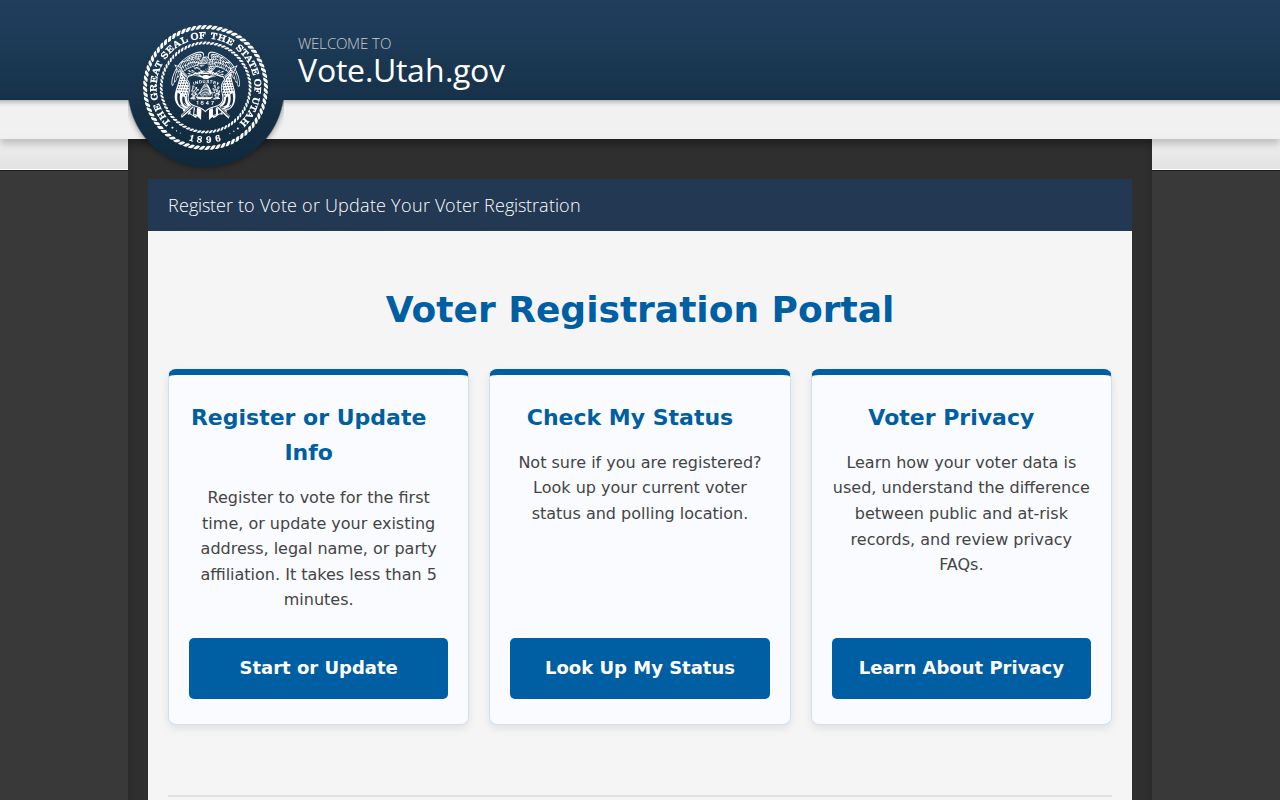
That separation helps keep civic status research within its narrow purpose.
Match the record to the question. A parcel identifies a tax relationship, XChange identifies a public case party, and voter status identifies a registration result. None is a universal household list.
Use Utah Vital Records With Care
Utah's vital-record system is valuable for family history but is not an open name directory. Under Utah Code §26B-8-110, birth records become public after 100 years, death records after 50 years, and marriage, divorce, and other vital records after 75 years. Within those periods, access can depend on the subject, immediate family, guardian, legal representative, a direct tangible and legitimate interest, approved research, or a court order. The Salt Lake County Health Department at 610 South 200 East is the practical local counter, with state ordering and county mail or SILVER routes also available for eligible requests.
For older material, County Archives provides searchable historical birth, death, and marriage indexes with linked images where available. Newspaper notices, cemetery entries, and HeritageQuest can supply leads, but a newspaper or burial record should be labeled as corroboration. Keep relationship proof and identification requirements in view instead of asking GRAMA to bypass a vital-record release rule.
Read the Salt Lake City Record Labels
Labels matter because similar names appear in different systems. The fields below keep a search result tied to the role and source that produced it.
- Roll
- A list maintained for a defined purpose, such as a tax or voter record. It is not a full list of households.
- Index
- A finding aid that points to a record. The index may not include the full image or every detail.
- Parcel
- A mapped tax unit with a number, legal description, and situs address. It may contain more than one unit.
- Criss-cross directory
- A historical directory arranged by address or street, often paired with a name section.
A legal description can outlast a street label. An index entry can show a party without proving occupancy. A directory can show “res” for residence, “bds” for boarding, or “res same” when the residence repeats the prior address. Preserve those distinctions in research notes.
Ask Archives for the Missing Link
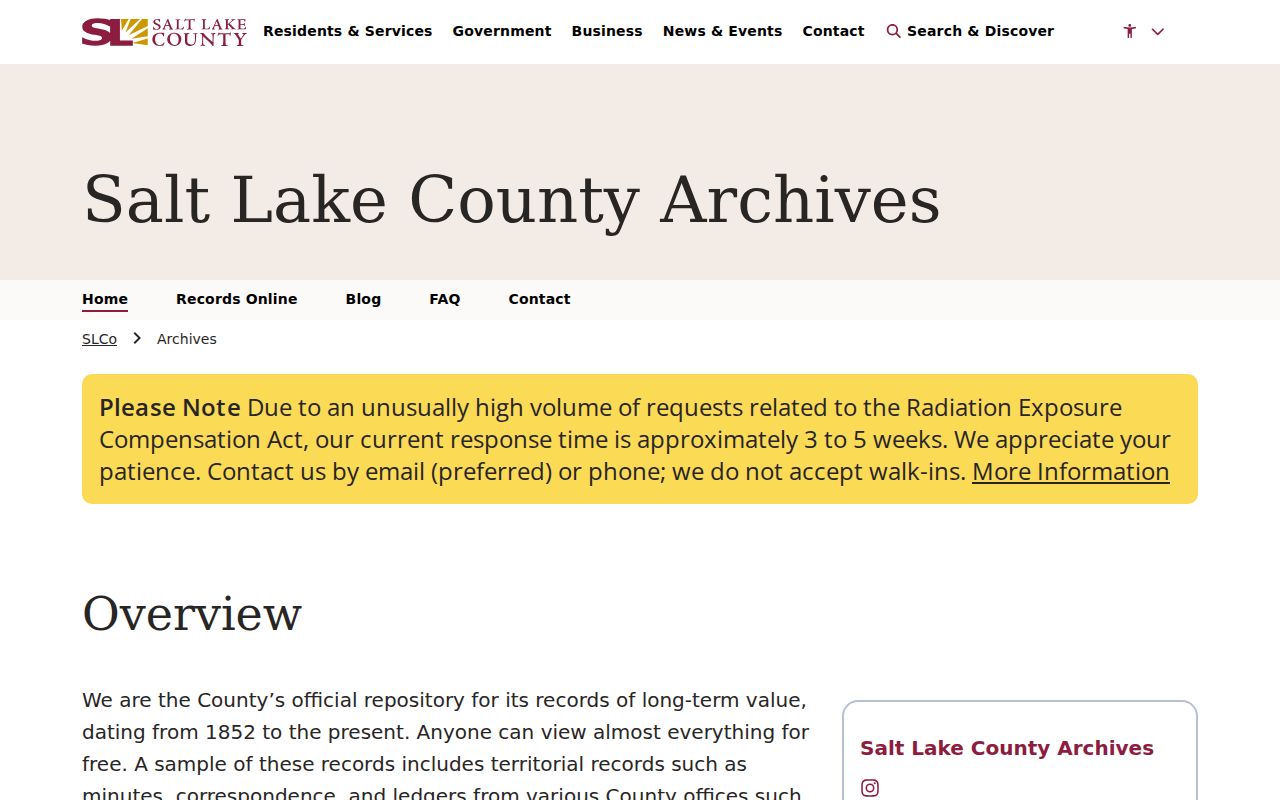
Salt Lake County Archives holds county records from 1852 to the present, including tax appraisal cards, historic tax rolls, land certificates, deeds, maps, permits, fire records, and government minutes. Most material is free, but appointment access is required and the current notice warns that high volume can mean up to 15 business days, with no walk-ins. Call 385-468-0820 or email archives@slco.org before planning a visit.
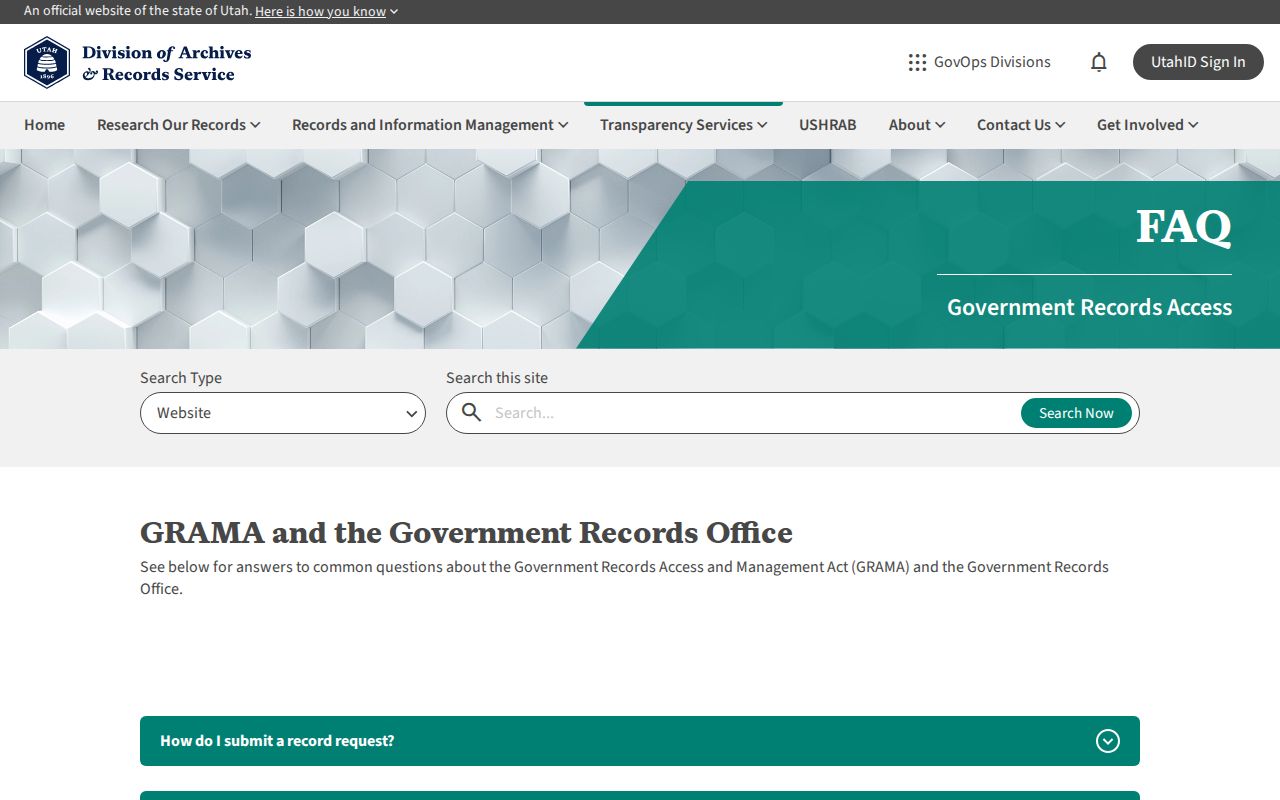
When a portal has no result, write a specific request. Name the custodian, address or parcel, record type, date range, and useful index clue. Utah GRAMA requires a written request for identifiable records; it does not require an agency to conduct a new investigation. The county page gives a 10-business-day response target, a five-day media target, and fee rules that can include staff time, copies, certification, and prepayment.
Current Salt Lake City Resident Directories
Current Salt Lake City records answer different parts of a person or address question. The table keeps the source, keeper, and access path distinct so a result is not overstated.
| Source | Who It Lists | Keeper | Access |
|---|---|---|---|
| Assessor parcel card | Tax owner and parcel context | Salt Lake County Assessor | Public query |
| Voter status | Individual registration and polling context | County Elections / Utah | Privacy and purpose rules |
| Recorder index | Parties to deeds, liens, plats, and other instruments | Salt Lake County Recorder | Search, paid data, copies |
| Court index | Public case parties and proceedings | Utah Courts XChange | Public-only, fees for remote access |
| Community organizations | Civic contacts and meeting context | Salt Lake City | Official map and organization routes |
Use the assessor for parcel orientation, the Recorder for title clues, XChange for a public court matter, and Elections for an individual status check. The one-person verification workflow explains how to compare dates and custodians across those roles.
Salt Lake City Voter Status Has Limits
Utah voter tools have two modes. The individual lookup asks for a name, birthday, and most recent address, while the county form adds birthday controls and a house number. The result can show registration status, polling information, elected officials, and a sample ballot. A statewide voter-file request is a separate product with a fee, permitted-purpose limits, and At-Risk omissions. Public fields do not make the file a general Salt Lake City residents directory.
SB153 changed the privacy setting for many Utah voters in 2026. The Lieutenant Governor's April 2 release described a May 25 transition for records that had been private or withheld, unless an eligible voter requested At-Risk protection. The Utah voter privacy guidance should be checked for the current rule. Safe at Home is a separate substitute-address program for qualifying survivors.
Note: A voter result shows registration status at the time of the search, not proof of present occupancy.
Watch for Salt Lake County Deed Scams
A deed or lien question belongs with the Recorder, not a private letter that asks for money to “unlock” a public record. Salt Lake County's Property Watch route is a local deed-fraud alert resource. Verify a notice through the Recorder at 385-468-8145, and use the county's document-request instructions when a recorded copy is needed.
For a missing index entry, the Recorder accepts address, parcel, party, document-type, date, and book or page clues. A standard copy is $2 per page, a historical copy is $5 per page, and certification adds $5 plus the page charge, according to the inspected request page. Fees and turnaround can change, so use the live custodian page before sending payment.
Verify the sender. Navigate to the official county domain yourself. Do not use an unsolicited QR code, phone number, or payment link to confirm a deed notice.
Salt Lake City Records Follow the Grid
Salt Lake City addresses carry a local history. City code points to an official street map filed December 3, 1920, and older numbering language describes one number every 8.25 feet aligned with county addressing. A historic entry may say First South, South Temple, Fifth East, or Second West. Keep that wording while searching instead of forcing it into a modern street form.
The city boundary, county parcel, ZIP polygon, precinct, council district, and mailing city can disagree. Salt Lake City's map service supplies parcels, zoning, building footprints, districts, and neighborhood organization layers. For a boundary question, compare the map with the assessor card, then validate the mailing address through USPS. This is especially useful when an old directory covers the wider valley rather than only the city.
Historical Salt Lake City Resident Directories
Historical Salt Lake City city directories include Crofutt's 1885–86 volume, the Excelsior 1893 address and family directory, R.L. Polk editions from the 1890s and 1902, a 1919 valley-wide volume, and selected editions through 1989–90. The University of Utah Marriott digital collection provides page images and OCR for many scans. The Salt Lake City Public Library adds microfilm, local clippings, maps, and special collections. The Salt Lake City city directory page follows the shelf in more detail.
The Salt Lake City Public Library Archives describes its microfilm, clippings, maps, and local-history access.
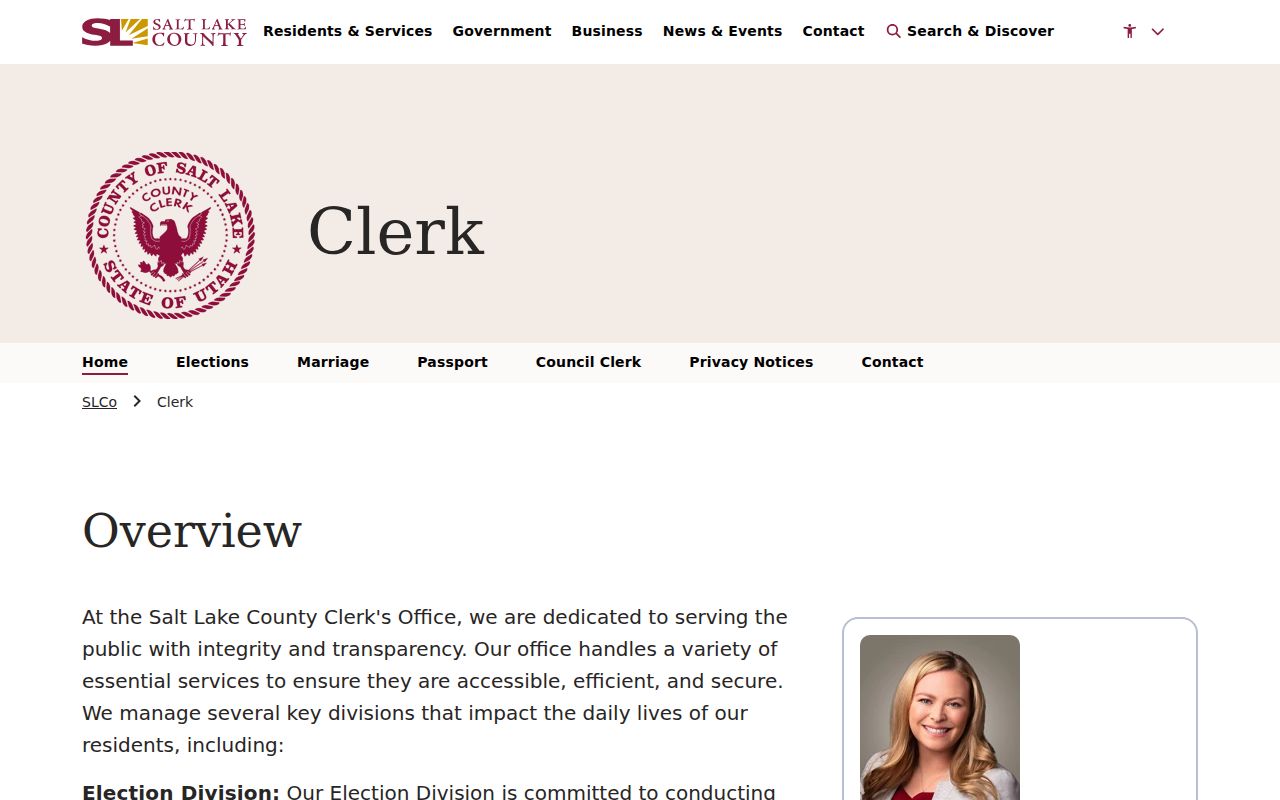
Library readers and scanners can help when an online OCR line is hard to read.
The Utah Vital Records ordering page gives the state route for eligible certificates and historical boundaries.
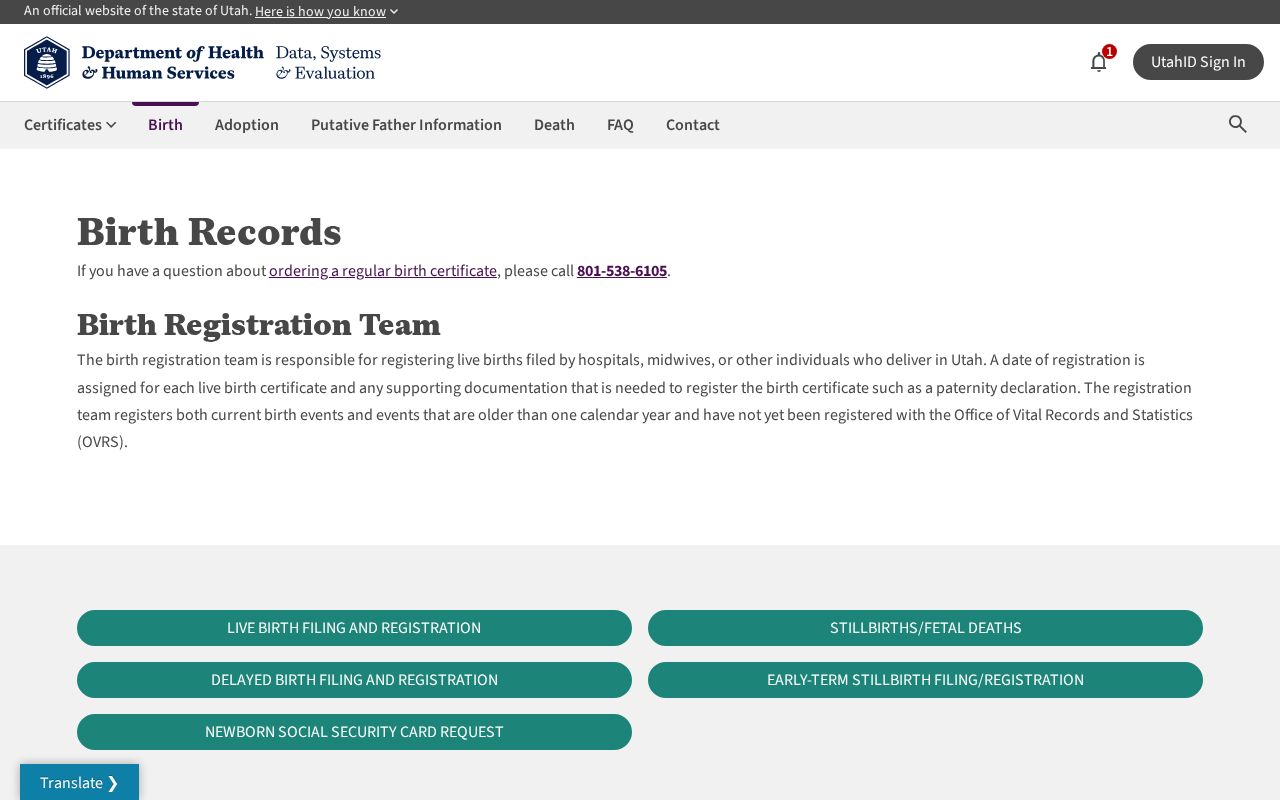
Closed-period certificates need a qualifying requester and proof, so a residents directory search should stop at the rule rather than guess.
The Salt Lake County Archives is the local bridge for older county indexes, tax material, maps, and house-history records.
An old entry can show a listed residence, boarder or business link for that edition, not current residence or ownership. The 1890 volume separates business and residence addresses and uses marks such as “res,” “bds,” and “res same.” Compare the name page, reverse address pages, a newspaper, and a County Archives tax card before treating a match as a household.